Offering Lasting Relief For Dry, Itchy & Gritty Eyes
Dry Eye Treatment in Cincinnati
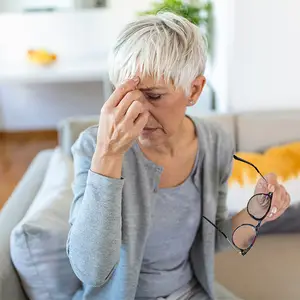
Tired of your eyes constantly watering?
Want to find a solution for your red, dry, itchy eyes?
Dry eye disease can seriously harm your quality of life. It can cause severe irritation and even infection in severe cases.
Symptoms of dry eye disease include:
- Red, dry eyes
- Itchiness in and around the eye
- A gritty-feeling in the eye
- Light sensitivity
- Excessive watering of the eyes
Visit Harper's Point Eye Associates - Montgomery for effective and lasting dry eye relief.

How Dry Eye Disease Develops & How to Treat It
Dry eye disease is an increasingly common eye condition that can happen either because the eye is not producing enough tears, or because tears are evaporating too quickly, leaving the eyes without enough moisture to function comfortably.
This can happen for several reasons including allergies, side effects from medications, hormonal changes, and illness.
Depending on the cause and exact symptoms of your dry eyes, our Cincinnati eye doctors will be able to prescribe treatments and medications aimed at increasing the amount of tears your eye produces and/or slowing the evaporation of tears to better hydrate your eyes.
What Are the Main Causes of Dry Eye?
-
Aging
Dry eye disease tends to affect people over the age of 50. This is because tear production slows as we age. As the lacrimal glands produce fewer tears, dry eye develops.
-
Hormonal changes
It's not uncommon for some women to experience dry eye symptoms during pregnancy, menopause, or while using birth control pills. That's because hormone imbalances can reduce tear production.
-
Autoimmune disease
Certain autoimmune diseases, like Sjogren's syndrome, can cause white blood cells to attack your tear glands, thus reducing tear production. Other diseases like arthritis, lupus, and diabetes can also cause poor or insufficient tear production.
-
Medications
Certain medications can reduce mucus production (one of the 3 tear components) thus contributing to chronic dry eye. They include antihistamines, antidepressants, diuretics, and beta-blockers.
Note that this is just a handful of causes. There are many other factors that can contribute to dry eye, including pollution and dry air, allergies, poor tear quality, dehydration, contact lens wear, and more.
Dry Eyes FAQs
Yes, some people can still wear contact lenses with dry eye syndrome. However, depending on its severity, you may need to carefully select the adequate contact lens for optimal clarity and comfort.
Oftentimes, because contact lenses sit on the eye, it's difficult for vital oxygen to reach the eye. This can worsen dry eye symptoms, and increase the risk of scratching or otherwise damaging your eye. Make sure to ask your eye doctor which contact lenses are most adapted to your condition.
Unfortunately, there is no known cure for dry eye syndrome. There are, however, many treatment options that offer lasting dry eye relief.
In rare extreme cases, dry eye syndrome can cause corneal ulcers. These ulcers can result in scarring on the eye, making it difficult for the cornea to focus light accurately. If left untreated, corneal ulcers and the associated scarring can result in blindness.
Below are a few tips that will help prevent dry eye symptoms:
- Point fans, heaters, and air vents so that they don't directly blow into your eyes
- Eat foods high in omega-3 fatty acids
- Stay properly hydrated
- Take breaks during long tasks, especially those that require extended visual focus
Meet our Dry Eyes Doctor

Josie Ziegler O.D.
Patient Reviews
4.6
502 Reviews
Tommy H. - Feb 20, 2026
Dr. Kirstein has been my eye doctor for more than 30 years. I have always received professional, con... Show Morescientious services from Harpers Point. I would recommend them to anyone. Dr. Kirstein recommended I get Lasik surgery more than 20 years ago and taking his advice was one of the best decisions I ever made. Forever grateful.
Jim B. - Jan 20, 2026
Excellent care and follow thru on an eye issue I had.
Dry Eyes Treatment in Cincinnati


Hours Show More
- Monday 9:00 am - 5:00 pm
- Tuesday 9:00 am - 5:00 pm
- Wednesday 9:00 am - 5:00 pm
- Thursday 9:00 am - 5:00 pm
- Friday 9:00 am - 5:00 pm
- Saturday Closed
- Sunday Closed
Insurance Plans Show More
- VSP
- Medicare
- United Healthcare
- Aetna
- Spectera
- EyeMed
- Anthem
- Anthem Blue Cross Blue Shield
- Blue Cross
- MetLife

Don't suffer in silence
Contact us for lasting dry eye relief!